How to switch to a natural deodorant: what to expect and how to make it work
- 10 Apr, 2026
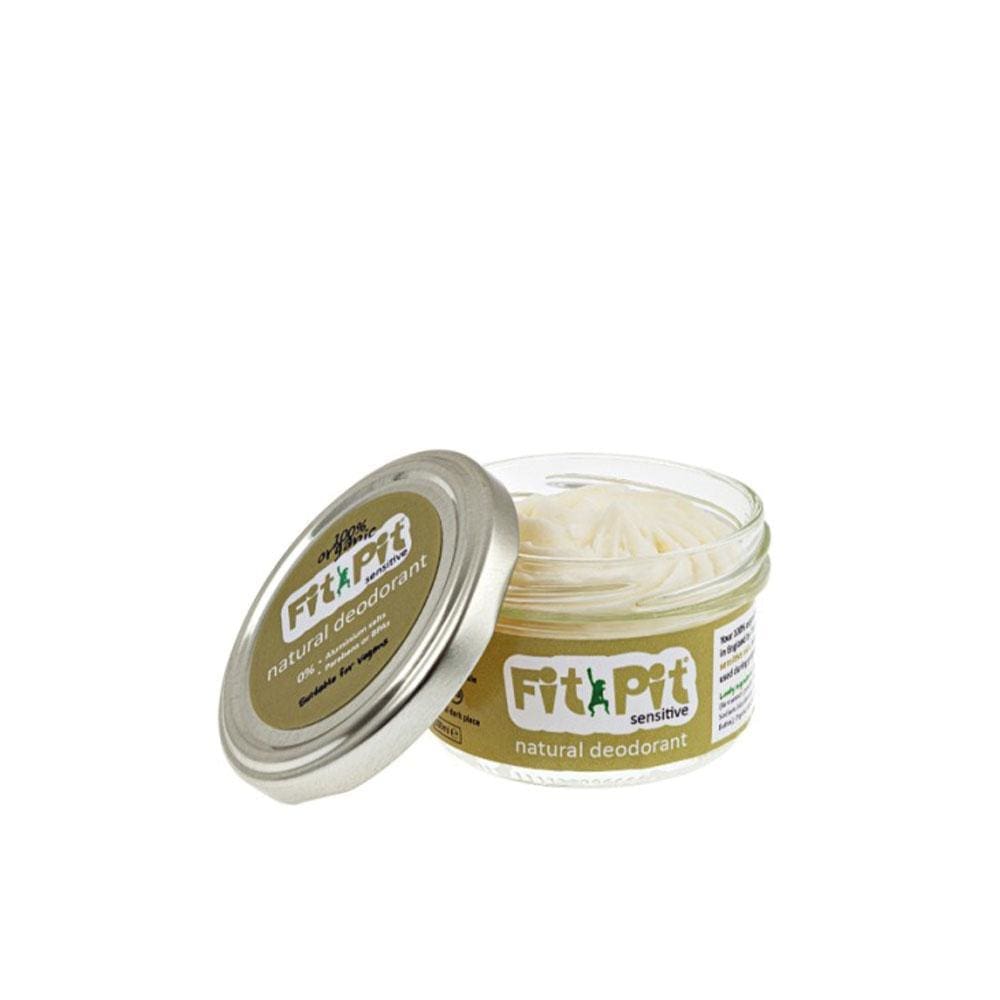
More and more people are swapping their usual spray or roll-on for a natural deodorant. Some want fewer ingredients in their routine, some prefer plastic free or refillable packaging and others simply like the idea of trying something different. Making the switch is easy, but it helps to know what a natural deodorant does and does not do, so you can set realistic expectations and find a product that suits you.
Deodorant and antiperspirant are not the same thing
Many everyday products sold as deodorant are actually antiperspirants, or a combination of both. The difference matters:
- Antiperspirants are designed to reduce the amount you sweat. They typically contain aluminium based ingredients that temporarily block sweat ducts.
- Deodorants do not stop sweat. Instead, they aim to reduce odour, which is caused when bacteria on the skin break down sweat.
Natural deodorants generally fall into the second group. They are usually free from aluminium and rely on ingredients such as plant oils, butters, starches, bicarbonate of soda or essential oils to help absorb moisture and keep odour under control. That means you will still sweat, which is a normal and healthy process, but you should stay fresher for longer.
What to expect when you switch
Some people notice no difference at all. Others find that the first couple of weeks feel a little different, with more noticeable sweat or odour while they get used to a new product. Everyone is different, so be patient and give a new deodorant a fair trial before deciding whether it works for you.
Things that can help during that time:
- Apply to clean, dry skin. Deodorant works best on freshly washed underarms, ideally after a shower.
- Use a small amount. Balm and cream deodorants are often concentrated. A pea sized amount warmed between your fingers is usually enough.
- Reapply when needed. On busy days, after exercise or in warm weather, a top up can keep you feeling fresh.
- Choose breathable fabrics. Cotton and linen let air circulate and can make a noticeable difference as the days get warmer.
Choosing the right natural deodorant
Natural deodorants come as creams in jars, sticks, roll-ons and sprays. Consider these points when you choose:
- Sensitive skin. Bicarbonate of soda works well for many people but can irritate others. If your skin is sensitive, look for a formula made for sensitive skin or one without bicarbonate, such as Fit Pit Sensitive natural deodorant.
- Scent. Options range from unscented to citrus, herbal and floral blends. Essential oils can also irritate some skin types, so unscented can be a safer place to start.
- Format. Creams are long lasting and often come in reusable jars, while sticks are quicker to apply on the go.
- Size. A small size is a sensible way to test a new formula before committing to a larger jar.
You can compare scents and sizes in our deodorant range.
A note on skin reactions
Always patch test a new product on a small area first, and avoid applying deodorant straight after shaving, when skin is more easily irritated. If you notice redness, itching or a rash, stop using the product. If irritation continues, or if you are concerned about sudden changes in how much you sweat, speak to a pharmacist or your GP.
Switching to a natural deodorant is a small change, but finding one you like can make it a simple, pleasant part of your daily routine.