A good beard routine takes a few minutes a day and needs only a handful of things: a gentle wash, a little oil or moisturiser, a comb, and perhaps a brush. Most beard problems, such as itching, flakes and wiry hairs that stick out, come from the skin underneath being dry or not cleaned properly, not from the hair itself.
Dermatologists at the American Academy of Dermatology suggest the same basic order for any length of beard: cleanse, moisturise while the skin is still damp, then comb and style. Trimming and shaping fit around that.
This guide covers each step and what to look for in the products, from beard oil to a pocket comb, all found in the hair and body section. If you are still deciding on a shape, the blog has a separate post on beard styles.
Washing your beard
Facial hair traps food, dead skin and the oils your skin makes. Wash your face and beard daily with a mild cleanser, massaging it through to the skin in small circles, then rinse well and pat dry with a clean towel. Leftover product is a common cause of itching and flakes.
Choose a gentle, ideally fragrance free cleanser if your skin is sensitive. Many men use a combined hair and beard wash, such as the ones in the shampoo range, which saves a bottle in the shower. Avoid strong, drying shampoos meant for oily scalp hair; the skin on your face is more delicate.
Try not to keep touching or stroking your beard during the day. Hands carry dirt and germs to the skin underneath.
Beard oil: what it does and how to use it
Beard oil is a blend of plant oils, often with essential oils for scent. It softens the hair, makes it easier to comb and helps stop the skin underneath drying out.
How to apply it:
- Use it after washing, while the beard and skin are still slightly damp.
- Put a few drops (or a pea sized amount from a pump) into your palm.
- Rub your hands together to warm the oil.
- Work it into the beard from the roots to the tips, making sure some reaches the skin.
- Comb through to spread it evenly.
Short beards need only a couple of drops; long beards need more. Too much oil leaves the beard looking greasy and can mark collars.
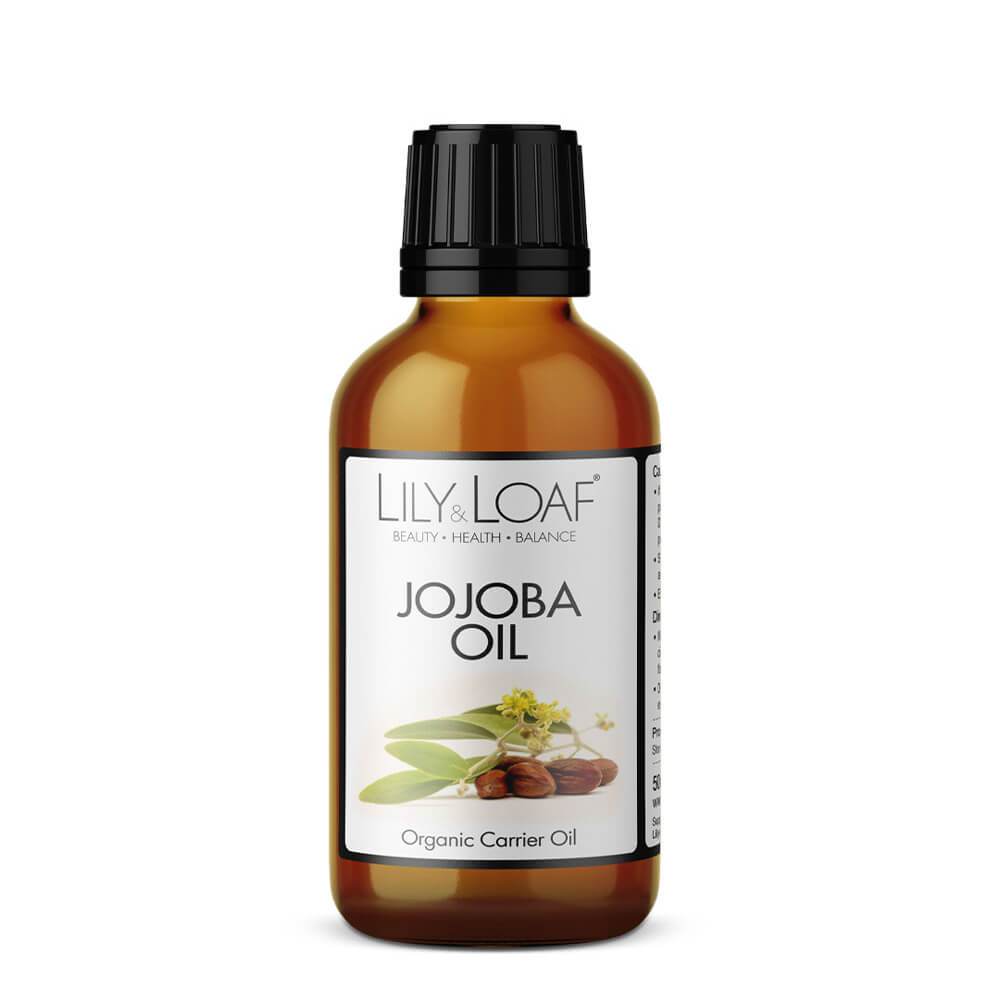
Because most beard oils contain essential oils, patch test a new one on your forearm first if you have sensitive skin. The guide to using essential oils safely explains why. If you would rather blend your own, a light carrier oil such as jojoba with one or two drops of essential oil per 10ml is a simple start.
Comb or brush
| Tool | Best for | Notes |
|---|---|---|
| Wide tooth comb | Detangling longer beards | Use on a damp beard, gently |
| Fine tooth comb | Styling and trimming | Hold hairs in place for scissors |
| Natural bristle brush | Short to medium beards | Spreads oil, lifts flakes, smooths hairs |
A double sided wooden comb covers both jobs. Comb your beard while it is damp to detangle it, starting at the ends and working up so you do not pull. A bristle brush, usually made with boar bristle, is good for spreading oil and lifting dry skin, and many men use both. The Urban Guise range has a pear wood comb, a bamboo and boar bristle brush and beard oil, and the exfoliators category includes the brush too.
Itching, flakes and ingrown hairs
Itching is most common when a beard is first growing in, when the cut ends of short hairs poke the skin. It usually settles as the beard grows. In the meantime a consistent routine of washing, then oil or moisturiser, helps.
- Flakes: often dry skin. Wash gently, moisturise the skin under the hair and brush to lift loose flakes. If flaking is persistent, greasy or red, it may be a skin condition such as seborrhoeic dermatitis, which a pharmacist or GP can advise on.
- Ingrown hairs: more common with stubble and curly hair. Gentle exfoliation once or twice a week can help.
- Spots or sore patches: see a pharmacist or GP if they spread, hurt or keep coming back.
Trimming and the neckline
Trim when the beard is dry, because hair looks longer when wet and you can easily take off too much. Comb the hair out, trim little by little and check both sides in the mirror. A common guide for the neckline is to keep it about a finger or two above the Adam’s apple; shave below that line for a tidy finish. Rinse and dry clippers and scissors after use.
When you shave the edges, do it at the end of a shower when hair is softest, use a shaving cream or oil, and shave in the direction of growth.
Quick checklist
- Wash face and beard daily with a mild cleanser and rinse well.
- Apply beard oil to a slightly damp beard and get it to the skin.
- Use a few drops for a short beard, more for a long one.
- Comb damp hair from the ends upwards; brush to spread oil.
- Patch test oils with essential oils if your skin is sensitive.
- Trim when dry, a little at a time.
- See a pharmacist or GP about persistent flakes, rashes or sore spots.
Common questions
How often should I wash my beard?
Daily with a gentle cleanser suits most people, especially if you eat or exercise with a beard. Use a mild, ideally fragrance free product so the skin underneath does not dry out.
Does beard oil make a beard grow faster?
There is no good evidence that beard oil speeds up growth. What it does is soften the hair, make it easier to comb and keep the skin underneath from drying out, which can make a beard look fuller and tidier.
Beard oil or beard balm?
Oil is lighter and suits short beards and daily softening. Balm is thicker, usually with butters or wax, and gives more hold for shaping a longer beard. Many people use oil daily and a little balm when they want more control.